cop

People | Master's Degree

cop

People | Master's Degree

PHTX-MS Students & Faculty

2026-2027 PHTX-MS Students

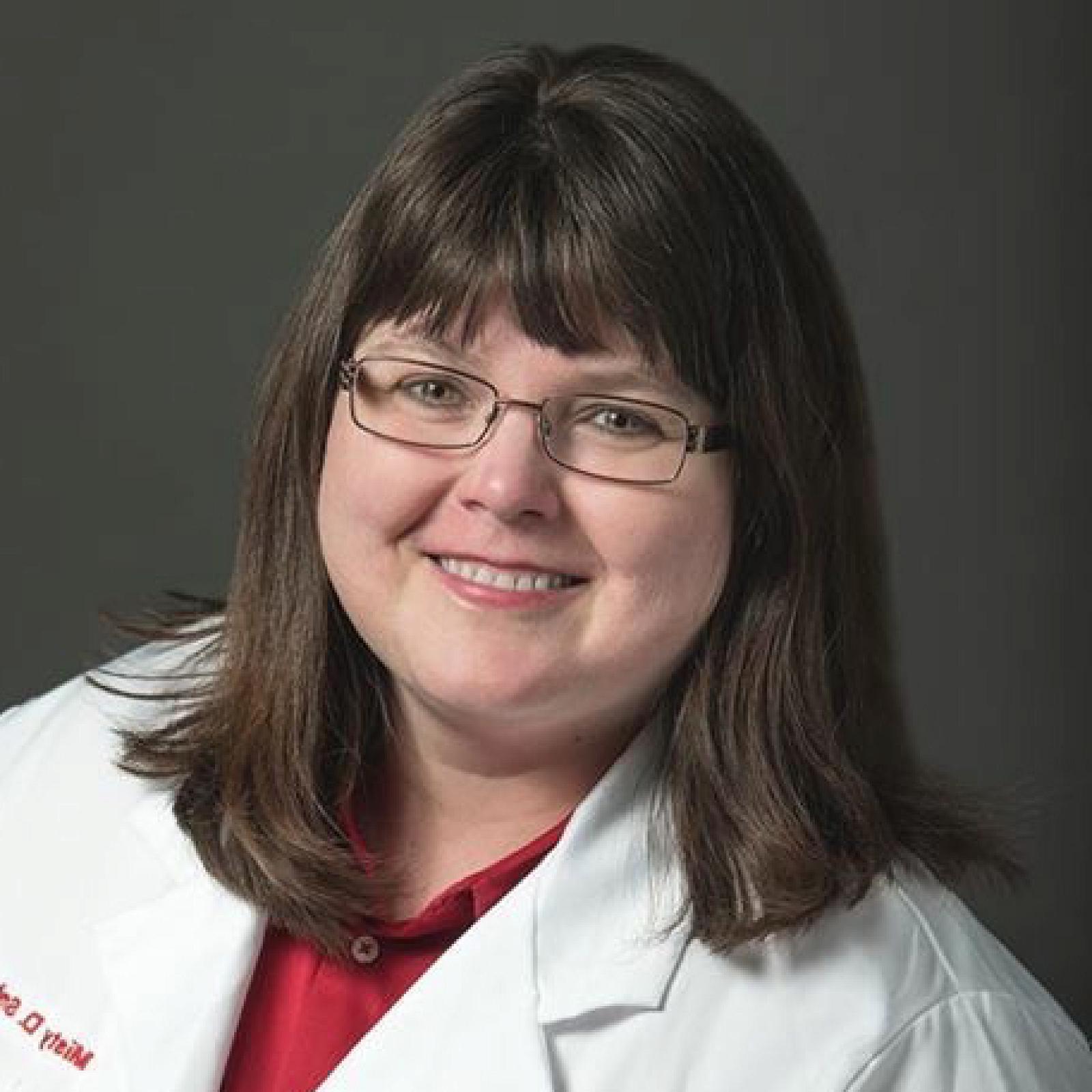
headshot against a light background

Brit Hepworth

Metcalf Lab

I am interested in the molecular, genetic, and pharmacological mechanisms underlying epilepsy, with a particular interest in Dravet syndrome, seizure pathophysiology, and sudden unexpected death in epilepsy (SUDEP). My focus is on contributing to the discovery of drug therapies for Dravet syndrome and other treatment-resistant epilepsies.

Brigham Young University - BS Cell Biology and Physiology

Linked In

Max Maloney

Reilly Lab

University of Arizona - BS Biochemistry

Julia in front of a white column at her college graduation

Julia Hibbard

Alam Lab

I am interested in cancer biology, therapeutic resistance, targeted cancer therapeutics, and translational oncology

University of Oregon - BS Biology, Chemistry Minor 

Research Highlights

Julia in front of a white column at her college graduation
Congratulations to Julia Hibbard (Alam Lab), the inaugural recipient of the Avi Kieran Endowed Scholarship for PHTX Master's students. We are grateful to the generous alumni who established this endowed scholarship. August 2026
certificate indicating Ron Jordan Scholarship recipients, with the University of Utah seal
Congratulations to Brit Hepworth (Metcalf Lab), Julia Hibbard (Alam Lab), Max Maloney (Reilly Lab), who are recipients of the Ron Jordan Scholarship for PHTX Master's students. This scholarship is made possible through the generous support of an alumnus of our program, Dr. Ron Jordan, who is deeply invested in the success of future scholars. August 2026
headshot with grass and trees in the background
Congratulations to Lizz Kralik Hopper (Rower Lab) who successfully defended her thesis "Drug-Drug Interactions in Dravet Syndrome" on September 15. September 2026
Brett Johnson with program directors and faculty mentor
Congratulations to Brett Johnson (Capstone Mentor: Kristen Keefe) who successfully defended his Capstone Project on June 19. His project was titled “Human Epidemiological Evidence Linking Prenatal Per- and Polyfluoroalkyl Substance Exposure to Autism Spectrum Disorder”. Brett is pictured with the MS Program directors, Dr. Misty Smith and Dr. Farzana Alam, and his faculty mentor, Dr. Kristen Keefe.
5 members of the Reilly Lab inside the Skaggs Building at the University of Utah
Congratulations to Erin Romero (Reilly Lab, front row, left side) who successfully defended her MS Thesis on June 6. Her thesis was titled "Effects of Transient Receptor Potential Vanilloid-3 Genotype on Pediatric Asthma and Airway Inflammation." June 2026
Revathy in front of a screen at her thesis defense
Congratulations to Revathy Babu Menon (Metcalf Lab), who successfully defended her MS Thesis on June 4. Her thesis was titled "Establishing a screening paradigm for minor cannabinoids, alone and in combination, for epileptic seizures."
Congratulations to Revathy Babu Menon (Metcalf Lab), who was inducted into the Phi Theta Delta Honor Society for International students. Pictured here with Dr. Cameron Metcalf. April 2026
Erin in front of her poster at Society for Toxicology Conference
Erin Romero (Reilly Lab) in front of her poster, "Repeated Exposure to Great Salt Lake Dust Induces Asthma-Like Phenotypes in Mice," at the Society for Toxicology Conference in San Diego, CA. Erin also received a Wilkes Travel Award from the Wilkes Center for Climate Science and Policy to support her travel. March 2026
Revathy in front of her scientific poster at ASENT
Revathy Babu Menon (Metcalf Lab) pictured here in front of her research poster titled "Establishing a Screening Paradigm for Minor Cannabinoids for Epileptic Seizures" at the ASENT conference in Bethesda, MD. March 2026.
Lizz in a blue lab coat, working in the lab
Lizz Kralik Hopper (Rower Lab) is developing a quantitative LC-MS/MS method to understand potential drug-drug interactions of anti-epileptic therapies. The aims of her research are to evaluate prototype Dravet syndrome treatments in microsomes and compare this in vitro data to in vivo results in Dravet mouse models. The overarching goal is to construct a PBPK model in silico to provide informed clinical dosing for individuals with drug-resistant epilepsy. Pictured here in the Center for Human Toxicology. March 2026.

Pharmacology and Toxicology Faculty

Picture of PHTX faculty

2025-2026 PHTX-MS Students

A photo of a woman in a black shirt

Revathy Babu Menon

Research Track, Metcalf Lab

Research: I am doing my research in Dravet syndrome hyperthermia assay. Identifying optimized doses of minor cannabinoids and testing specific doses.

Undergraduate School: Amrita Vishwa Vidyapeetham, Bachelor of Pharmacy (India)


photo of a woman outside

Lizz Kralik Hopper

Research Track, Rower Lab

Research: Dravet syndrome (DS) is a rare genetic epileptic disorder with onset during the early months of infancy, triggered by an elevation in core body temperature before seizures occur spontaneously. No current anti-epileptic therapy is completely effective in the treatment of seizures, leading to the administration of polypharmacy while the search for new novel compounds continues. By understanding drug-drug interactions for anti-epileptic medications prescribed in the treatment of DS, we can better understand and predict the first in-human dosing of novel therapies in a concomitant medication setting.

Undergraduate School: University of Utah, Biology BS and Medical Laboratory Science BS

photo of a man outside

Brett Johnson

Capstone Track, Keefe Lab

Undergraduate School: University of Utah, Biology BS

photo of woman in a blue shirt

Erin Romero

Research Track, Reilly Lab

Research: My research investigates the health effects caused by air pollution and the underlying mechanisms involved. This work focuses on the role of transient receptor potential (TRP) ion channels in asthma severity.

Undergraduate School: University of Utah, BFA Modern Dance

Association of Pharmacology and Toxicology Students (APTS)

purple APTS Flier

Please join the Association of Pharmacology and Toxicology Students (APTS). This Trainee social and professional development organization is meant for current graduate students, post-docs, and lab staff who are thinking about or planning to attend graduate school.